


Oriol Ansillo
Health Coach y PNI. Especialista en Diabetes y Nutrición infantil. @uri_nutrition
TYPE 1 DIABETES: AN INTEGRATIVE VIEW OF INFANT FEEDING
Type 1 diabetes (T1D) is an autoimmune disease that radically changes the lives of those who suffer from it and their families. From my experience as the father of a child with this condition, I have seen firsthand how a proper diet and a healthy lifestyle are essential for blood sugar control and maintaining overall well-being.
In our family, although we already had a fairly healthy diet before the diagnosis, it led us to adopt a low-carb or evolutionary approach to eating, with single-ingredient, natural foods. This type of diet includes meats, fish, seafood, vegetables, fruits, tubers, nuts, and some gluten-free grains. We avoid ultra-processed foods, added sugars, and refined flours, as these cause sharp fluctuations in blood sugar and require higher doses of insulin, complicating the management of the disease. This generates more stress and anxiety for both our daughter, who doesn't feel well during these sugar roller coasters, and for us, her parents.
Ultimately, glycemic stability is also mental stability.
Thanks to this type of diet, we have been able to better manage the disease and reduce long-term complications. In fact, it has been almost four years since the diagnosis, and every three months she undergoes a glycated hemoglobin (HbA1c) test, which indicates the average glucose level over the last three months.
- Normal: Less than 5.7%
- Prediabetes: Between 5.7% and 6.4%
- Diabetes: 6.5% or more
These are the standard values, although I personally prefer to keep them even a little lower. My daughter has never exceeded 5.8% in these four years, fluctuating between 5.5% and 5.8%. This is important, not only for people with underlying health conditions, but also because there are increasingly more children without diabetes who have blood sugar levels of 5.6-6%, which is worrying.
Infant nutrition beyond diabetes
This approach shouldn't be limited to those with illnesses. In fact, all children deserve a diet based on quality nutrients. Childhood is a critical stage for physical and cognitive development, and what they eat now will profoundly influence their future health. Modern food, if it can be called that, is loaded with sugars, refined vegetable oils, additives, and colorings, replacing nutrient-dense foods like fresh vegetables, quality protein, and healthy fats.
The bombardment of messages promoting ultra-processed foods has generated unhealthy habits in childhood, increasing the risk of metabolic and autoimmune diseases. One only needs to look at classmates of
Our children and how many intolerances and autoimmune diseases exist today. However, all children, both healthy and those with a medical condition, deserve a diet that provides them with energy stability and the essential nutrients for optimal growth.
Autoimmune diseases: The role of the gut
It is important to highlight the fundamental role of the gut in the development of autoimmune diseases. The gut is one of the body's most important barriers, not only for the digestion and absorption of nutrients, but also as a line of immune defense. A healthy intestinal barrier is key to protecting the body from pathogens and molecules that can trigger abnormal immune responses.
The "leaky gut" theory suggests that damage to the intestinal barrier, caused by a diet high in gluten, additives, colorings, and processed vegetable oils, allows unwanted molecules to pass into the bloodstream. These molecules can trigger systemic inflammation and activate the immune system, contributing to the development of autoimmune conditions. While genetic predisposition is an important factor, environmental triggers, such as diet, gut microbiota, the modern environment filled with artificial light, and limited sun exposure, play a critical role in the onset of these diseases.
Integrative approach to child health
It is essential to take care of every aspect of a child's life: not only nutrition, but also sleep, environment, physical exercise, stress management, and emotional well-being.
A nutrient-rich diet should be the foundation of a healthy life, complemented by adequate sun exposure. High-quality protein, healthy fats (such as olive oil, avocado, nuts, and oily fish), and plenty of fresh vegetables help maintain optimal health and protect gut integrity.
This dietary approach may seem radical in a society accustomed to fast and processed food, but our experience has shown that it is both possible and beneficial.
In our daily lives, we have discovered that a simple diet based on natural foods not only improves glucose control, but also promotes a stable energy state and a better mood.
Health Coach and Psychoneuroimmunology (PNI)
Specialist in diabetes and child nutrition

Sugerencias
SIN
GLUTEN
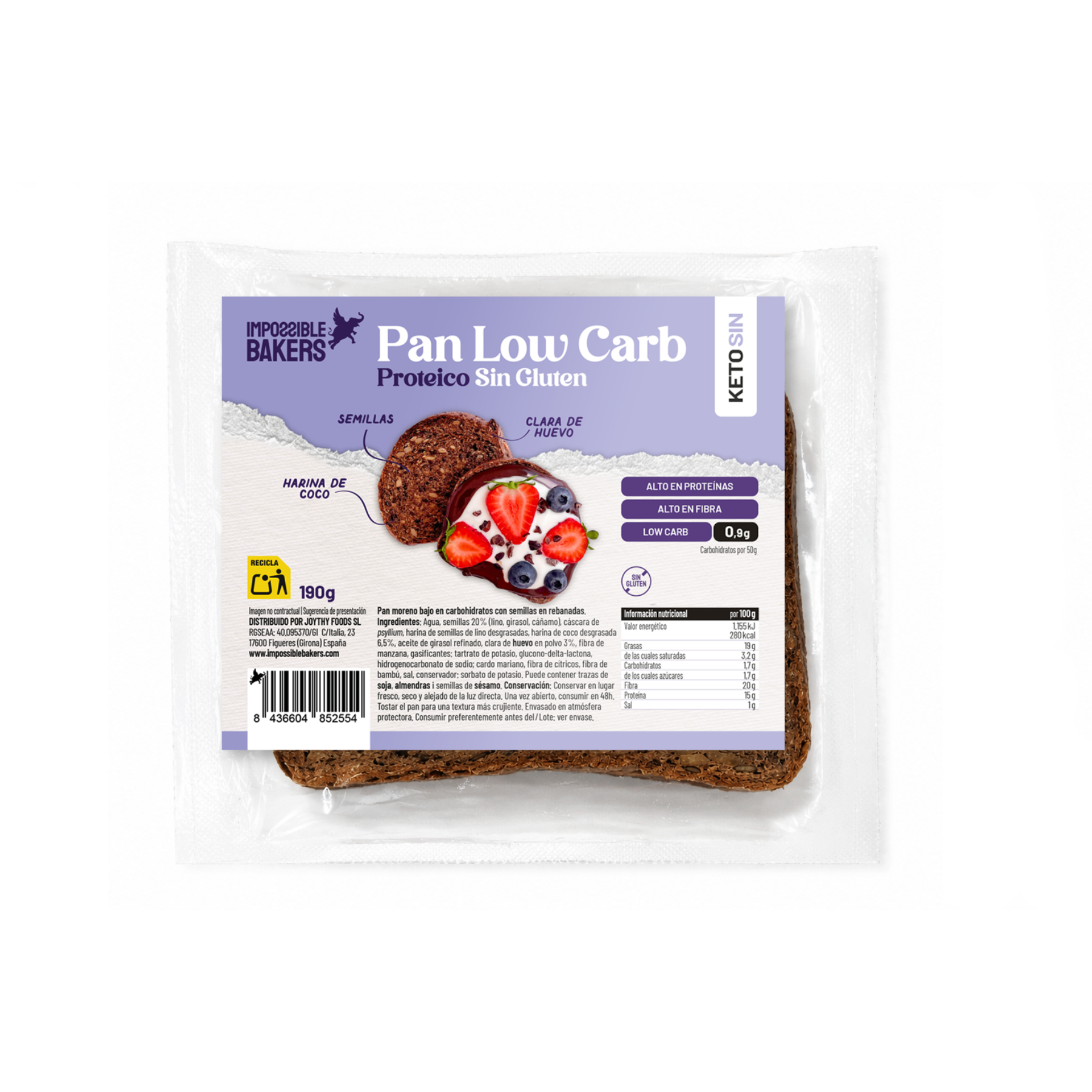

0.8 g Carbos
SIN
GLUTEN
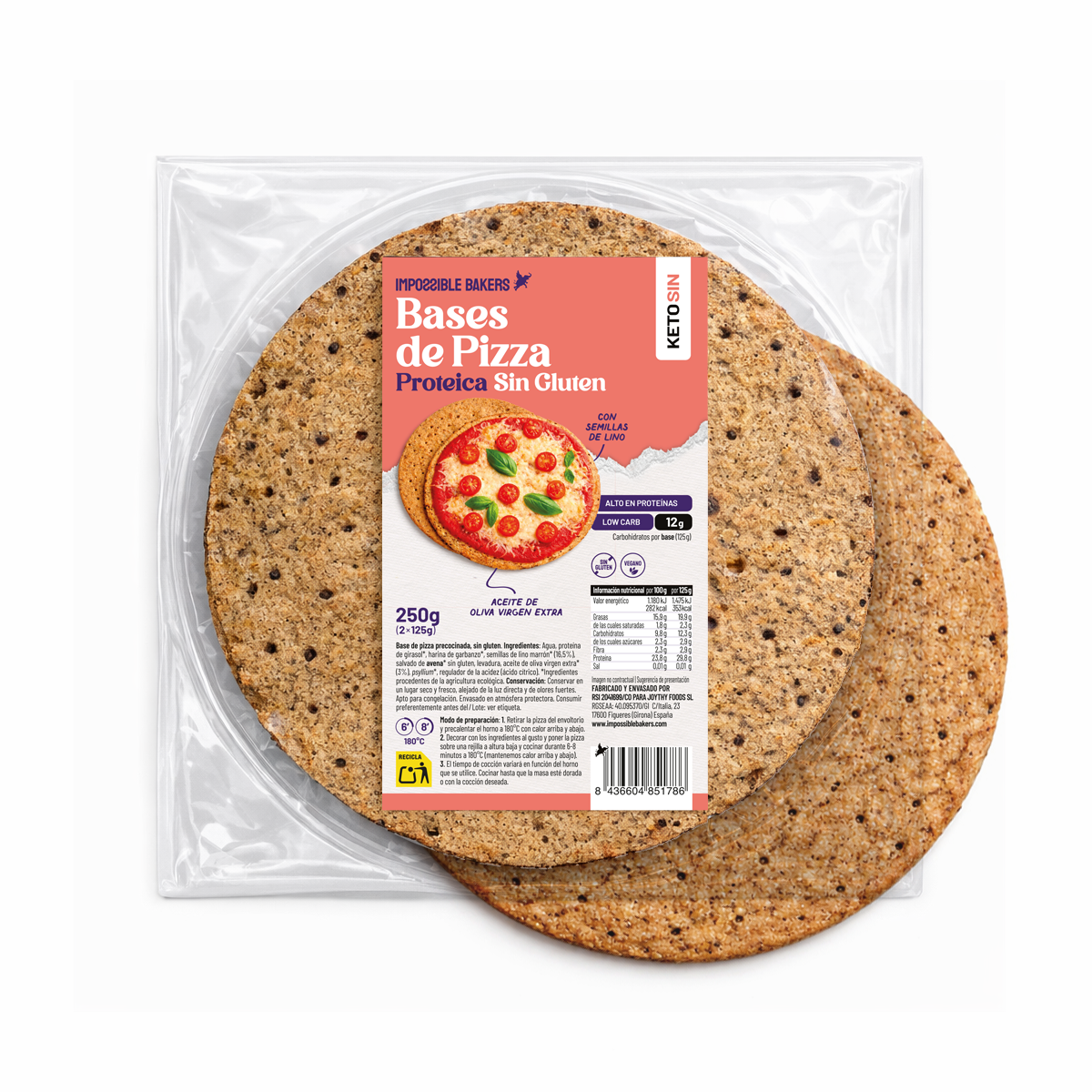
12 g Carbos
Read more

Alzheimer's: diabetes of the brain
What if I told you that we could view Alzheimer's disease as diabetes of the brain? This theory, which seems far-fetched, has gained a lot of traction in the last two decades, thanks to the emerge...
Read more
A little sugar won't hurt... Are you sure it won't hurt?
April 7th is World Health Day, a good time to stop and think about what we eat and how it affects us. With Easter just around the corner, chocolate eggs, Easter cakes, and sweets everywhere… you'v...
Read more
%20is%20an%20autoimmune%20disease%20that%20radically%20changes%20the%20lives%20of%20those%20who%20suffer%20from%20it%20and%20their%20families.%20From%20my%20experience%20as%20the%20father%20of%20a%20child%20with%20this%20condition,%20I%20h...)